Visiting The Golden Bird
Before India was invaded by the British Empire in 1608 it was known as 'The Golden Bird' because of its infinite supply of raw materials and precious stones. It was an international trading hub for trades people from Greece and Syria. Of course famously Christopher Columbus discovered America actually in search of Spices in India hence the American Indians being called Indians. Enough of the history lesson, we were on a destination wedding shoot back in January 2014 in Vrindavan (North East of Jaipur) for a very private ceremony.
🇮🇳
The couple had kindly offered us a trip to Agra the day after the wedding. We were unable to have some additional stay on this trip as we had to get back to the kids, so took the opportunity to explore a very miniscule part of the homelands and travel to one of the most desired locations on the planet... The Taj Mahal.
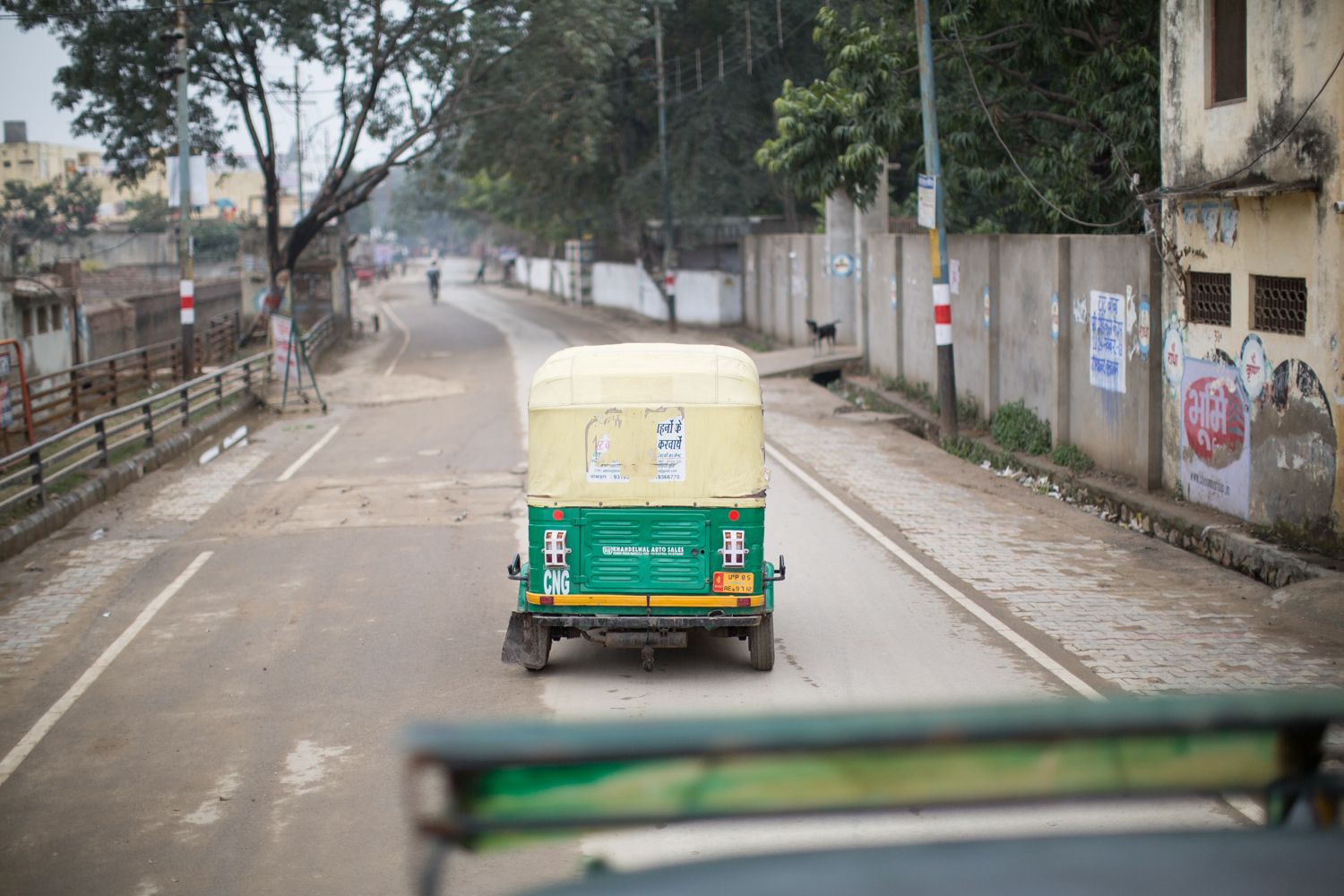
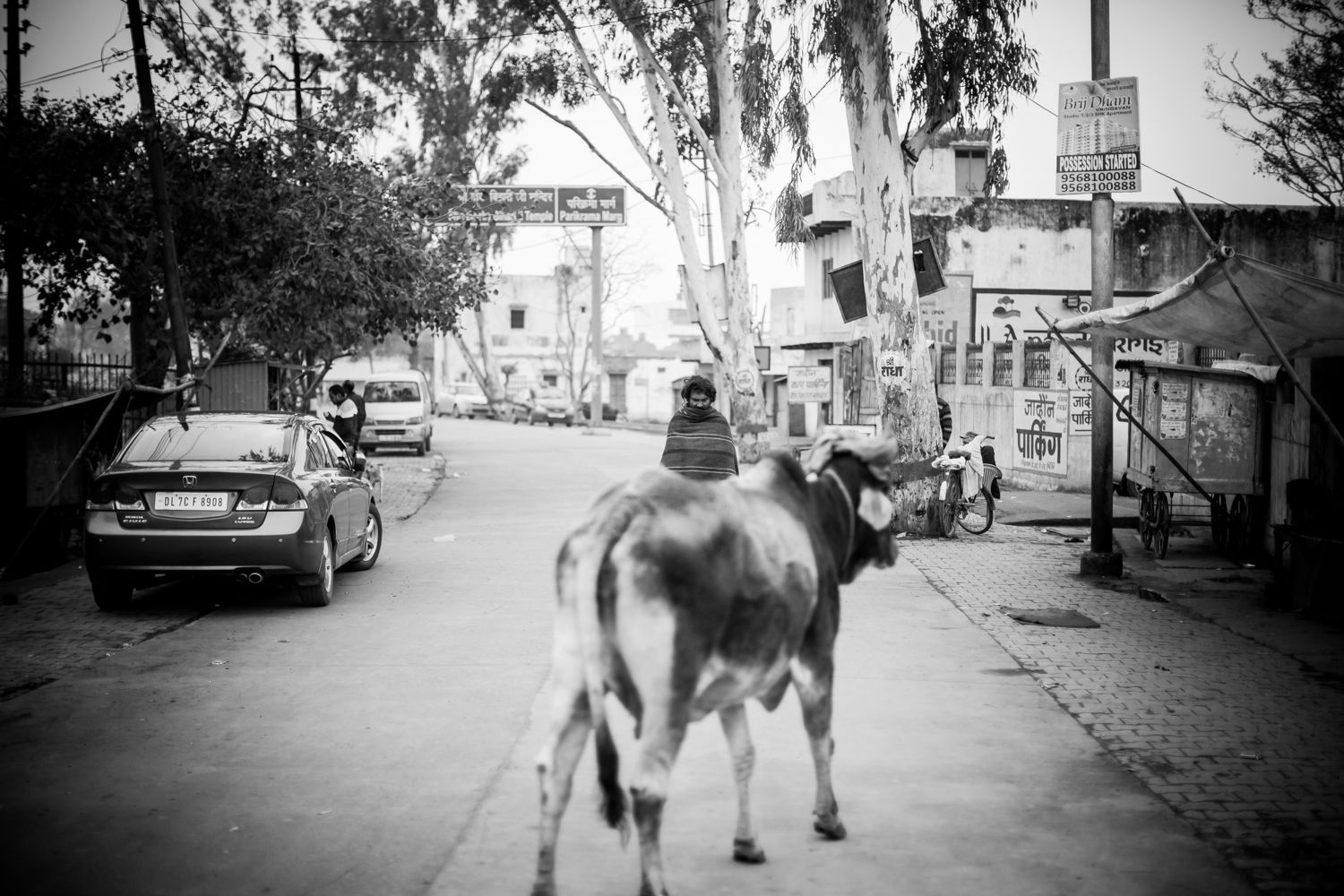
The bus journey to Agra was only about 1.5 hours drive from Vrindavan, around 90Km. It was a bumpy rickety ride, but then again all rides in India are such. That is the beauty of the place though, there is something about the bumps and the dips, the dusty atmosphere, the cows 'mooing' in every direction. Horns beeping for all sorts of reasons, the main one being 'get out of my way'.
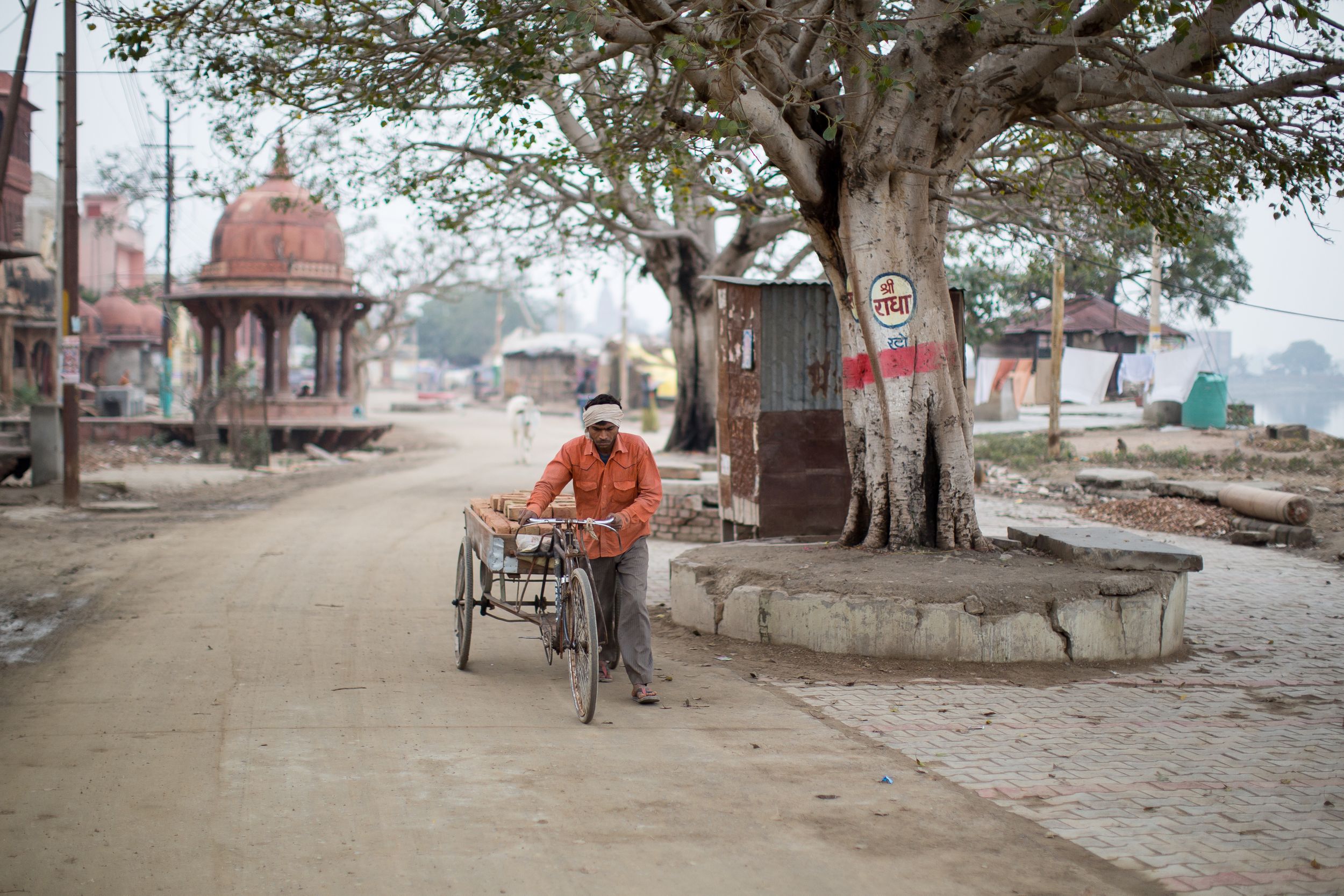
It's a wonderful place to be as a photographer from the western world. It is such a content rich environment that you just can't stop for second to look around as you know there is something incredible you are bound to miss, be that stunning scenery or the way someone has fixed a bike that was smashed and now carries a family of 6!
This image on the right is one of the Rickshaw's being beeped by our driver to get out of the way. 🤭
Flat Tyre
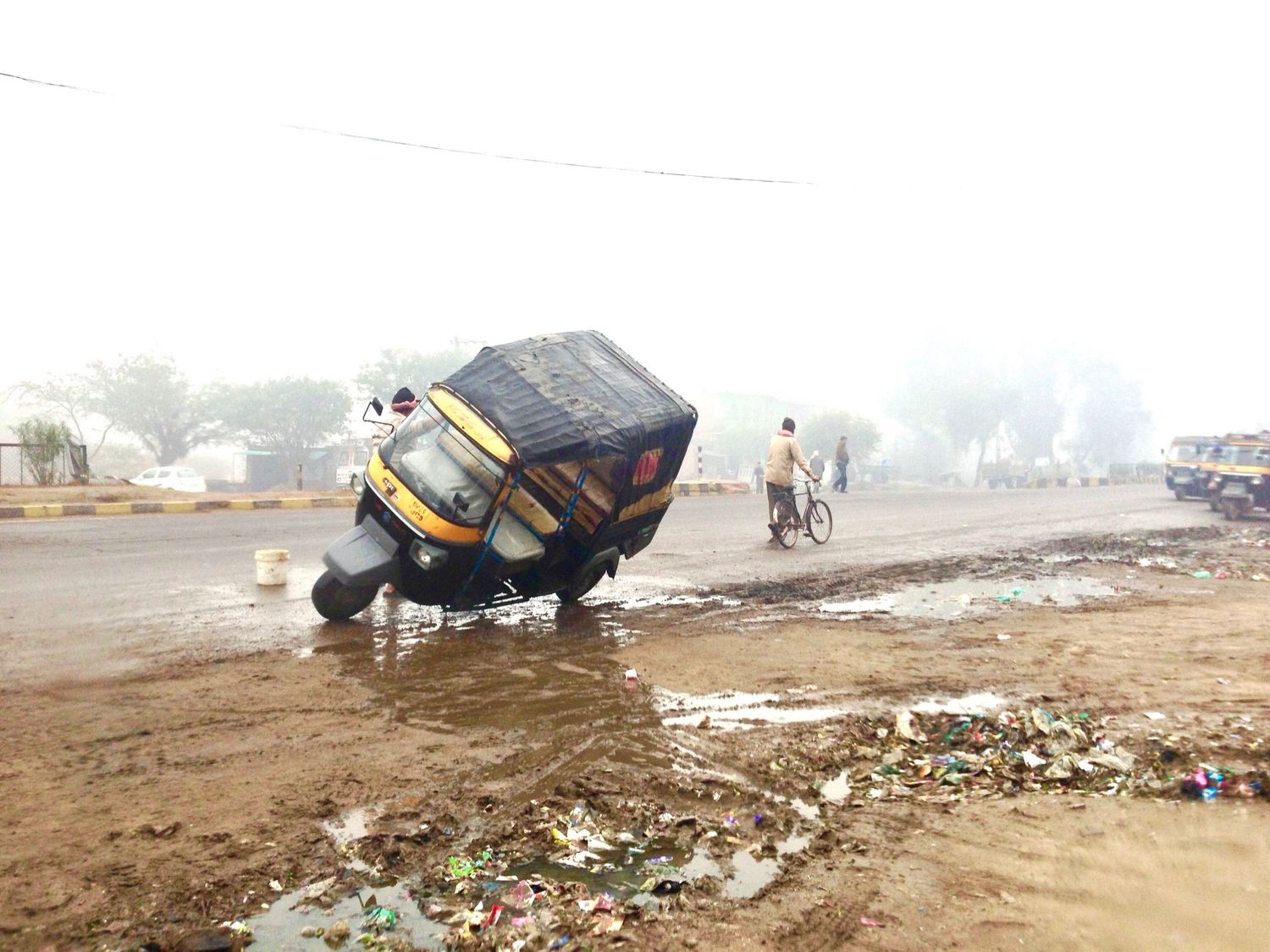
On our journey, way we witnessed a Rickshaw driver who had a flat tyre. We had never seen these little vehicles jacked up before as they are always on the move, so it was interesting to see that they do actually need maintenence! 🔧
Poverty
One things in India that is so unfortunate is the amount of poverty throughout the country, not just where we were travelling. It is heart breaking to see so many families go without the basic necessities and it makes us so thankful and appreciate what we have.
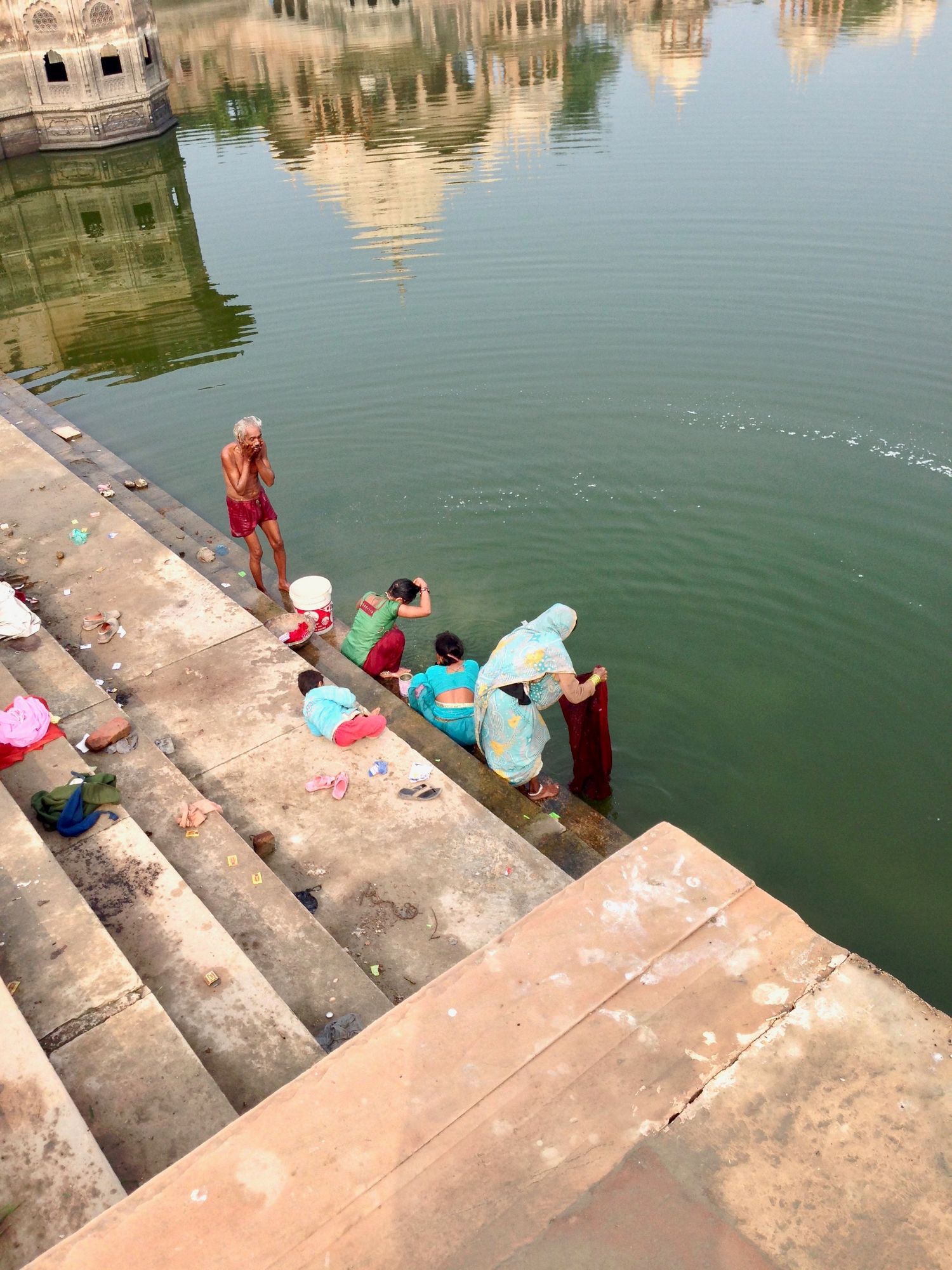
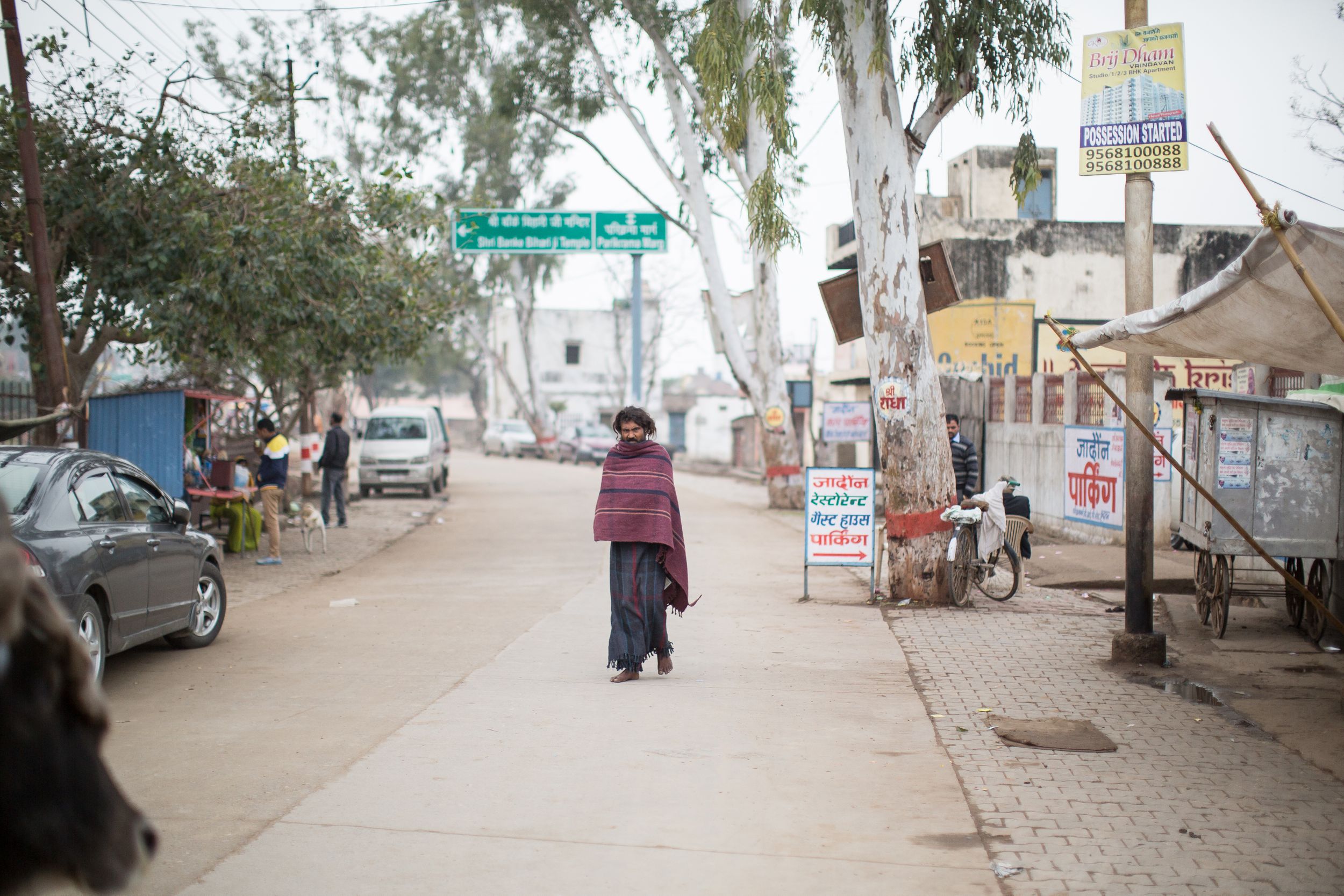
For many families in India due to the high amount of poverty they have no facilities to have bath or wash their clothes. As we stopped for a break we saw this family having morning bath and washing their clothes in one of the lakes of the temples close to their home.
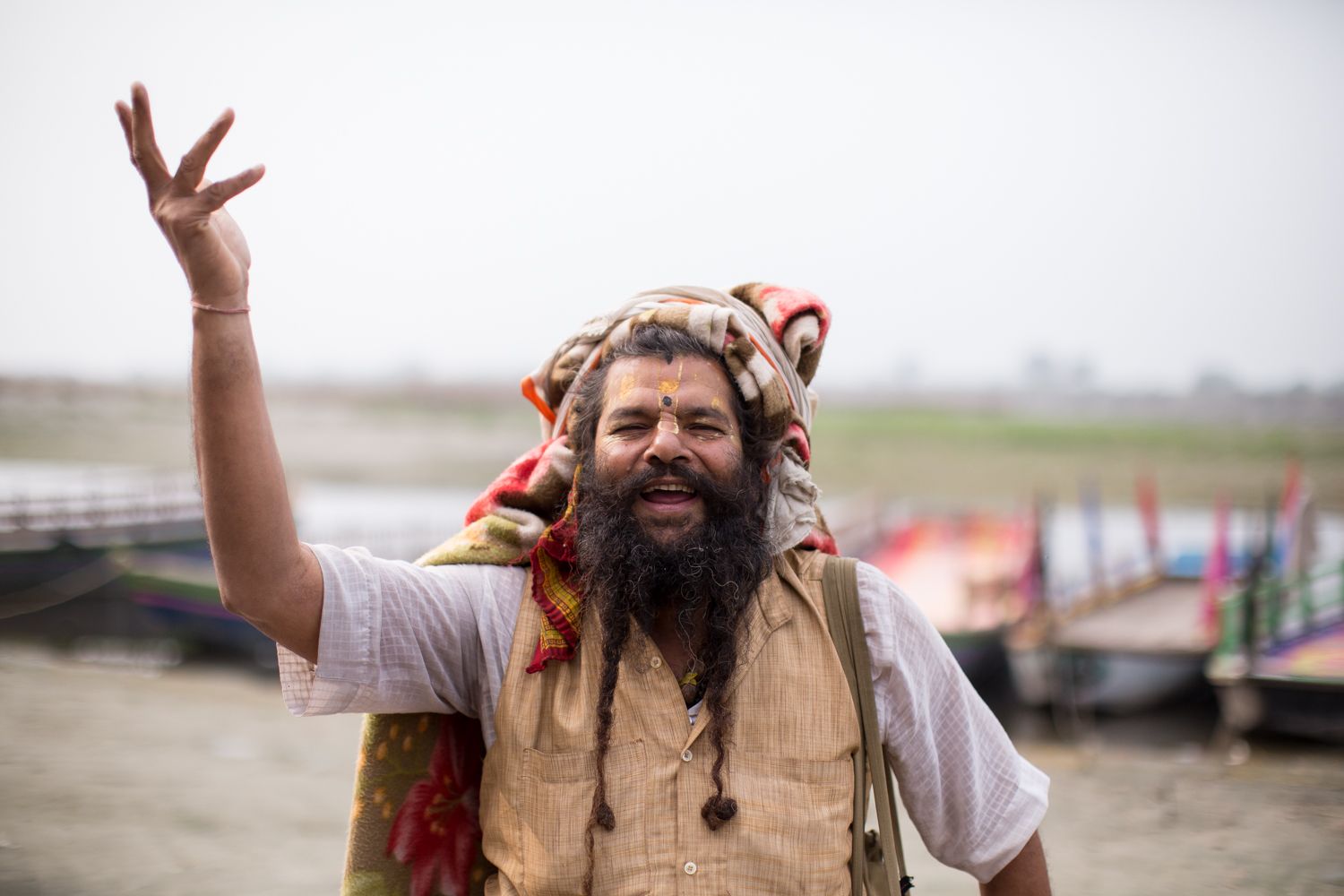
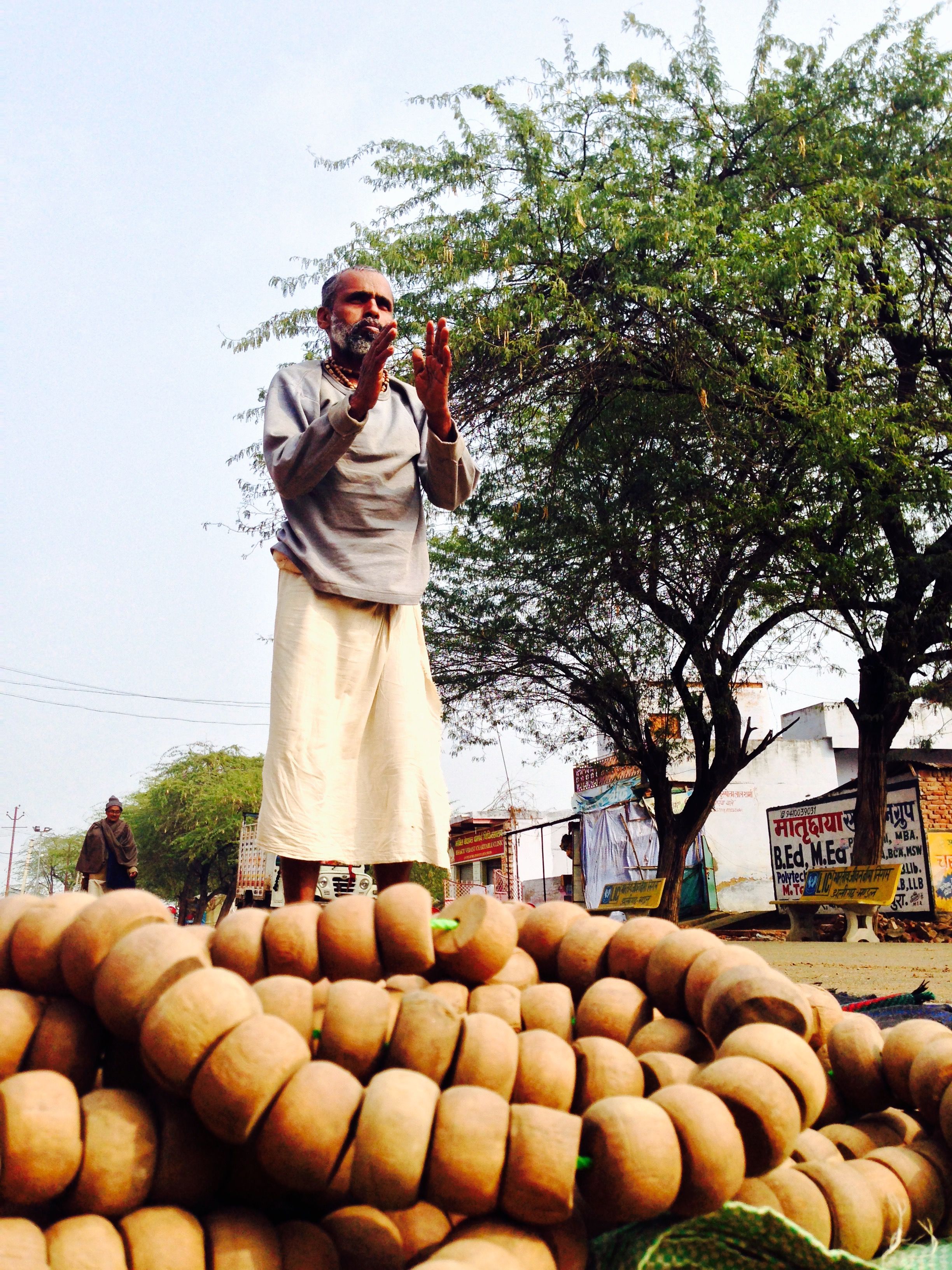
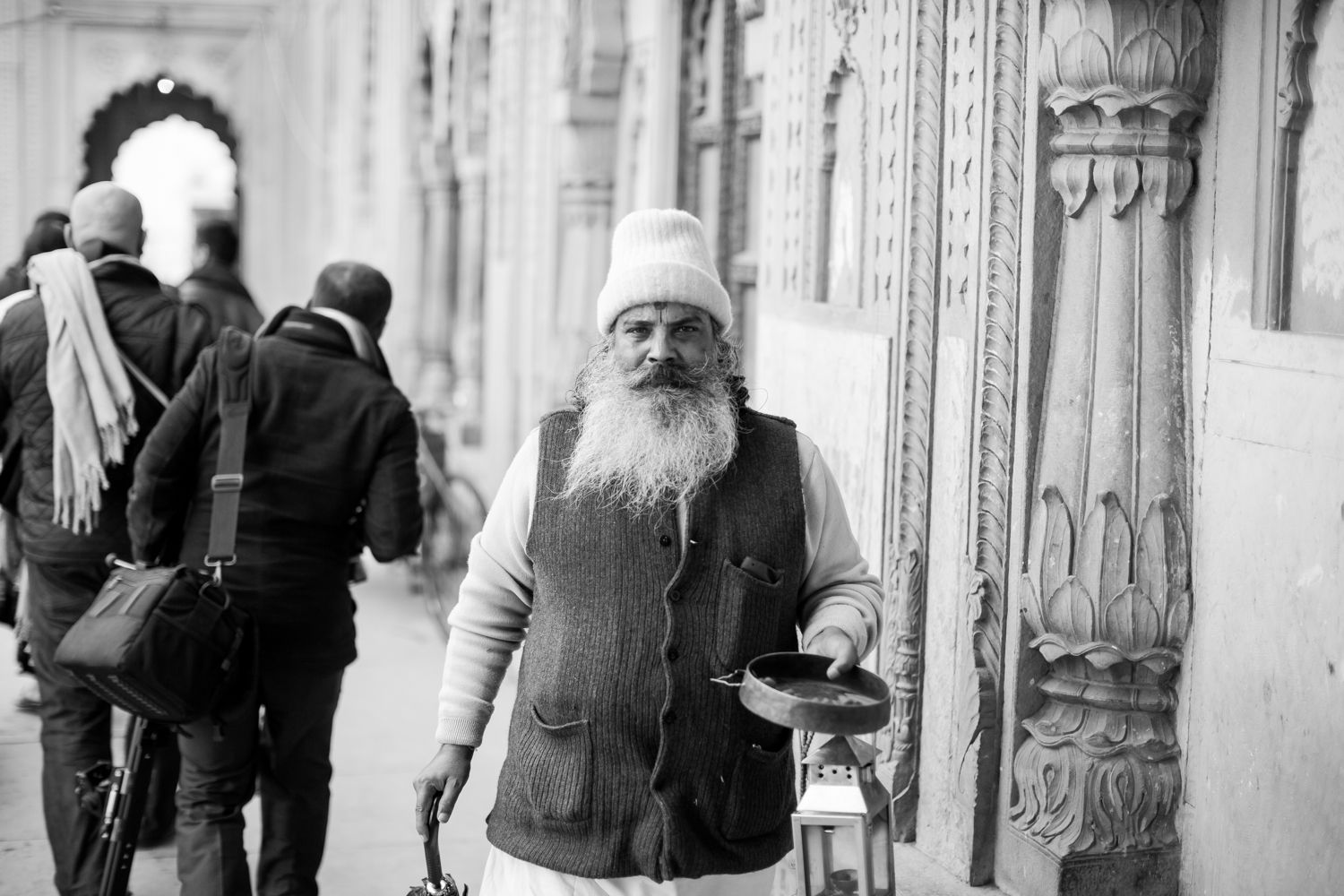
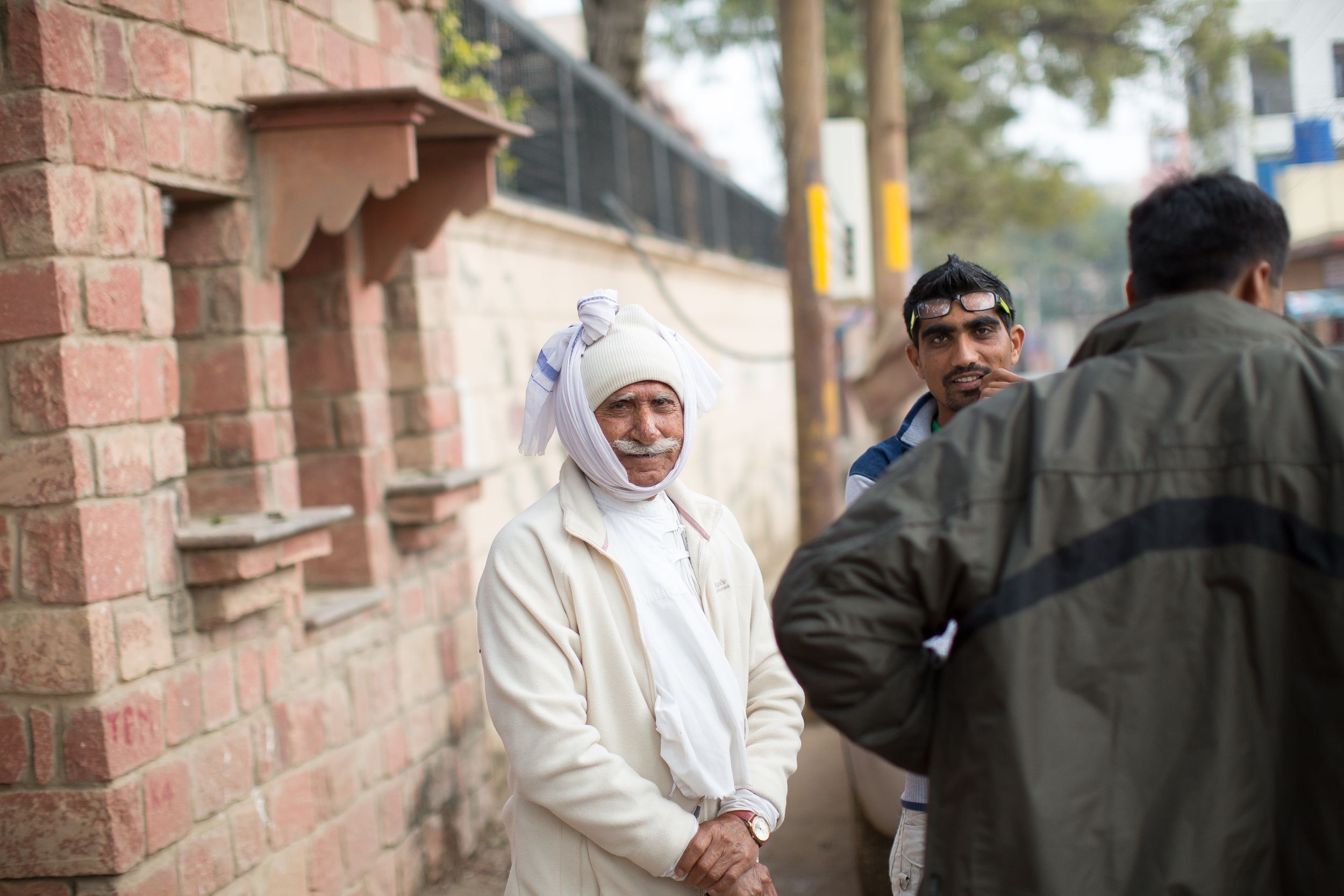
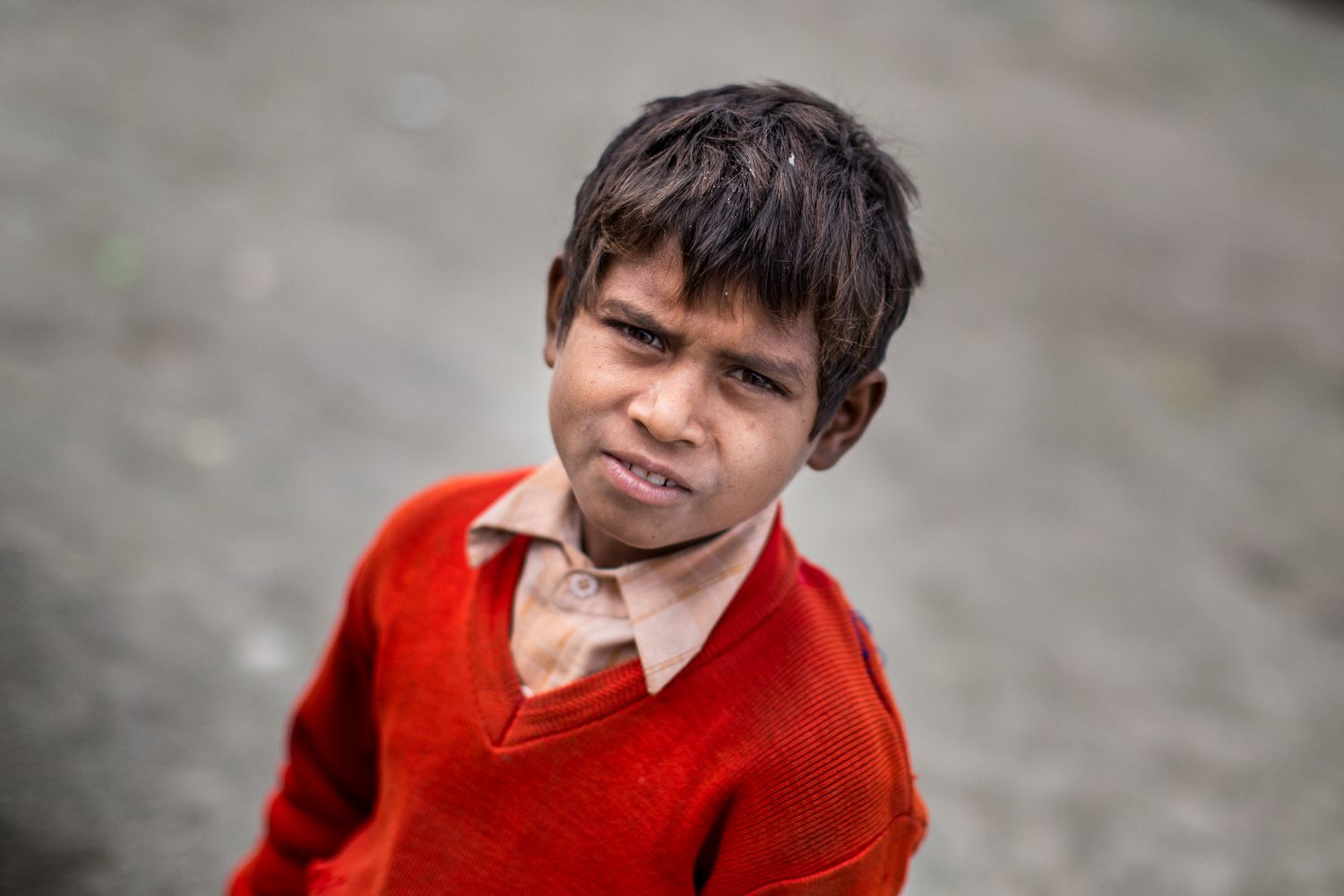
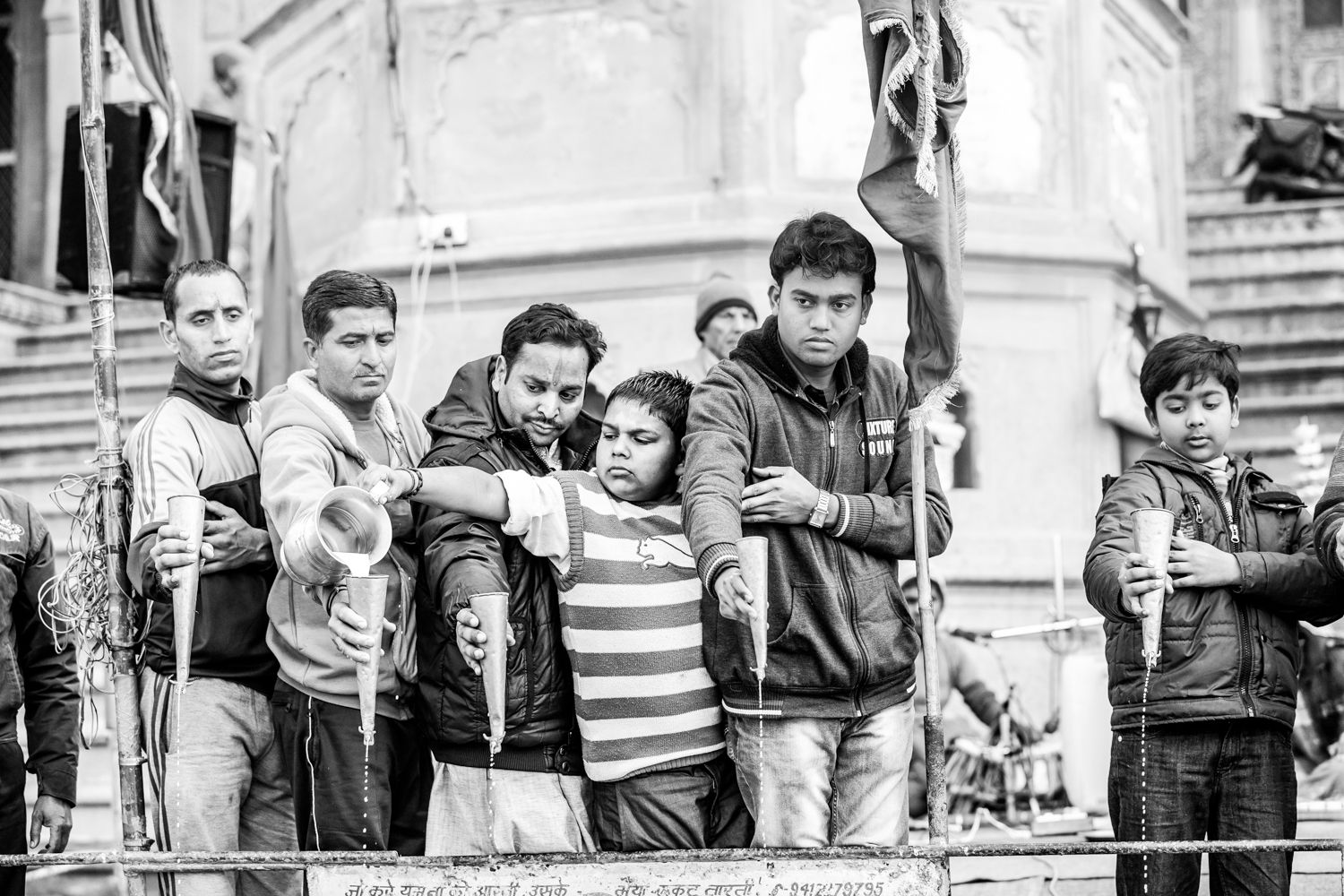
We came across a wonderful array of characters in just one day, from temple priests to singers to worshippers to child boat drivers and stray monkeys stealing peoples food! 🐒

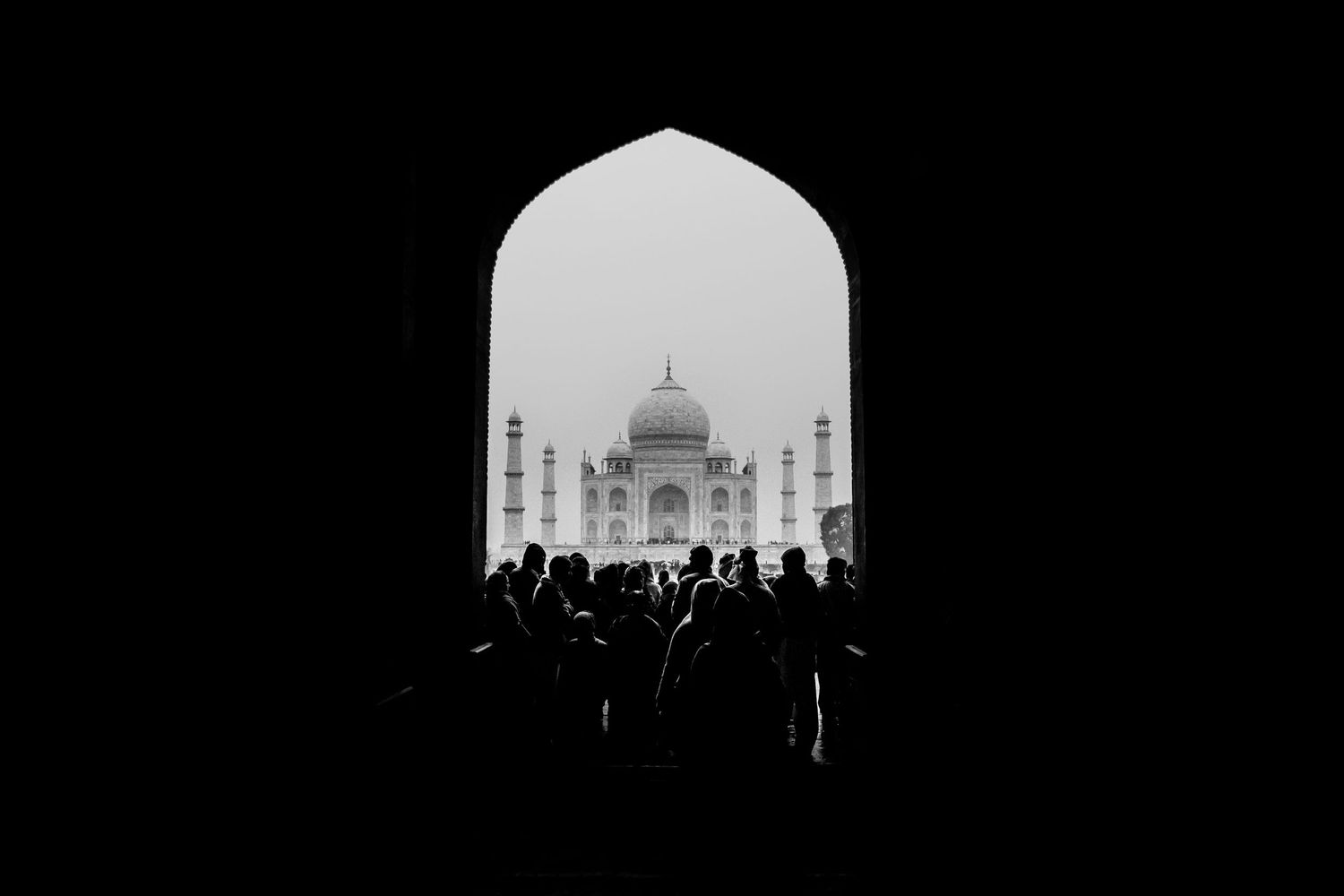
It is said that the first time you lay your eyes on the Taj Mahal from the Royal Gate (above) you will never forget it. It is truly a feeling of jaw dropping amazement. The symmetry is beyond belief for a structure that was built in 1648 and took just over 20 years to build. It involved 20,000 workmen and over 1000 elephants were also used to transport materials required for the project.
It was a really wet and slightly misty day so this initial view was not as clear as it could have been, however that did not stop our breath being taken away as we stood in witness of one of history's most iconic marvels. As we got closer, we could see the array of marbles used that were brought in from Rajasthan, Punjab, China, Tibet, Afghanistan, Sri Lanka, and the Arabian Peninsula. The architecture is an Indo-Islamic collaboration involving art with Arabic calligraphy intertwined with gemstones.
“The Taj Mahal is not just a monument, but a symbol of love”
A True Love Story
The Taj Mahal was built by the 5th Mughul Emporer Shah Jahan. He had commanded the building of this for his wife Mumtaz Mahal as a mausoleum as she had died in childbirth. It represents his eternal love for her. Mumtaz Mahal was beautiful as well as smart and tender-hearted. The public at the time had much love for her, in no small part because she cared very much for the people. She diligently made lists of widows and orphans to ensure that they were given food and money.
Her death had a profound impact on Shah Jahan's personality and inspired the construction of the Taj Mahal which means 'The Crown Palace' where she was later reburied. Reports say that in Shah Jahan’s anguish on learning the death of his beloved wife, he went to his own tent and cried for eight days without ceasing. When he emerged, he was said to have aged considerably, sporting white hair and glasses. This is one story we could only imagine would have been incredible to capture!
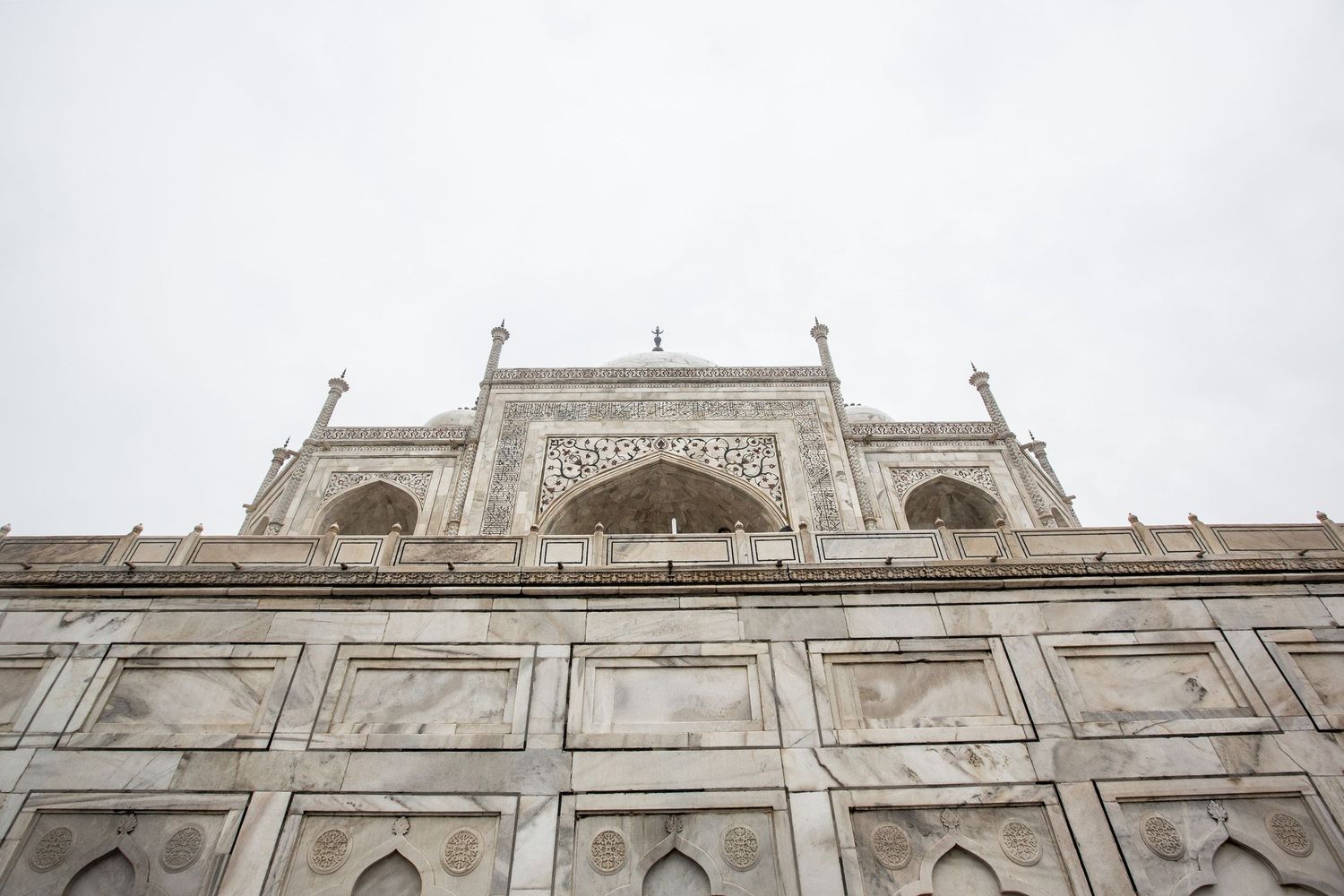
The changing moods of the Emperors wife are well captured by the changing hues of the Mausoleum at different times of the day. It takes a pinkish hue in the morning, milky white in the evening and golden at night when illuminated by the moonlight.
The most recognisable feature that the building is known for is the white dome at the peak of the mausoleum. Its is often referred to as the 'onion dome', which rises to about 35 meters (115 feet) and is surrounded by four other domes.
It is rumored that the Emperor ordered that the architect who he had instructed to design the building get his hands chopped of so that he could never replicate such a design, leaving the Taj Mahal as one of the most unique structures known to man.
“I found the Taj Mahal as the most appropriate example of artistically expressed love.”
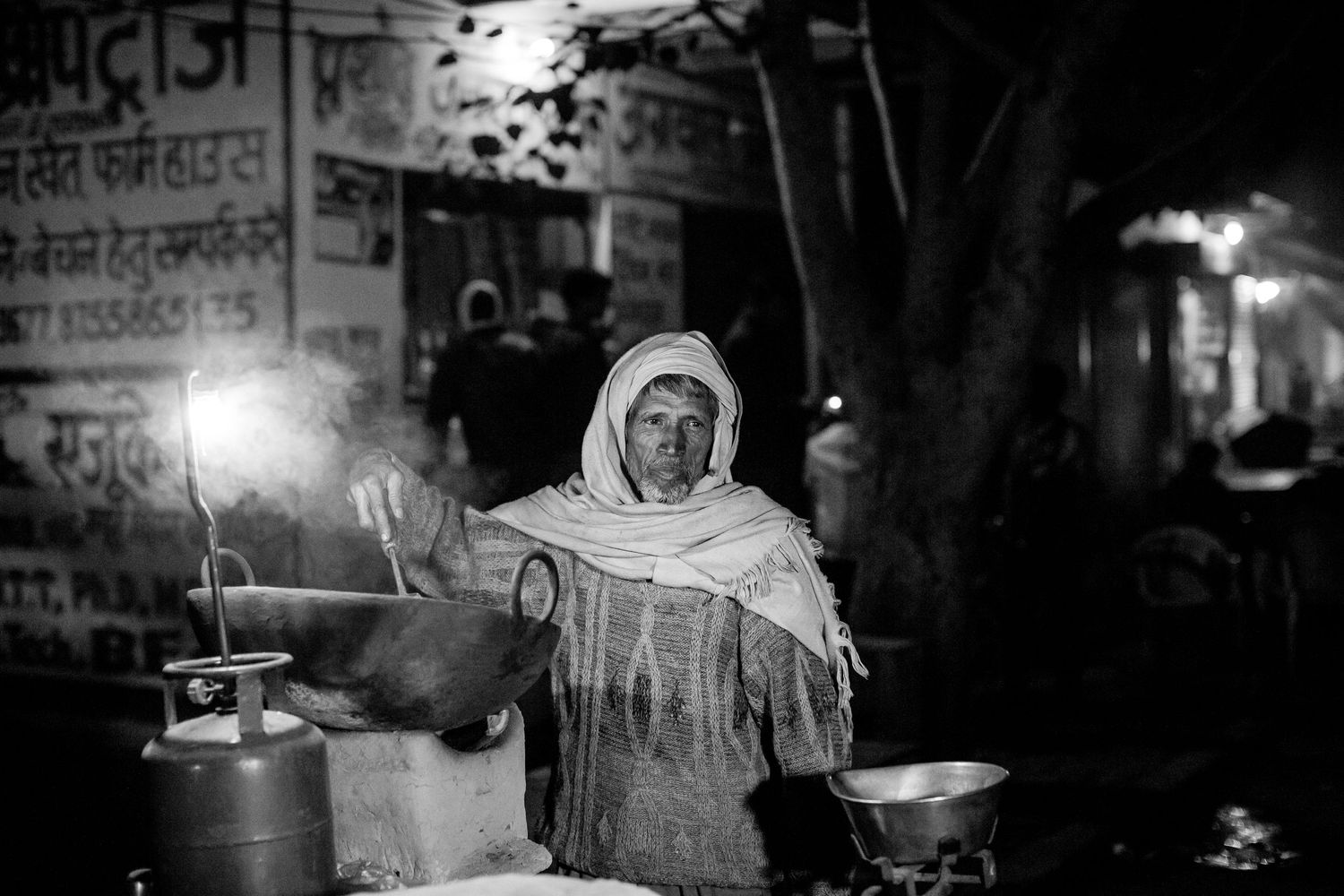
After seeing one of the most iconic and historic buildings (the word building just sounds wrong, it is truly an unbeliveable work of art) in the world, we went into town to have a walk around and sample some of the local delights, but mainly take some cool street photos.
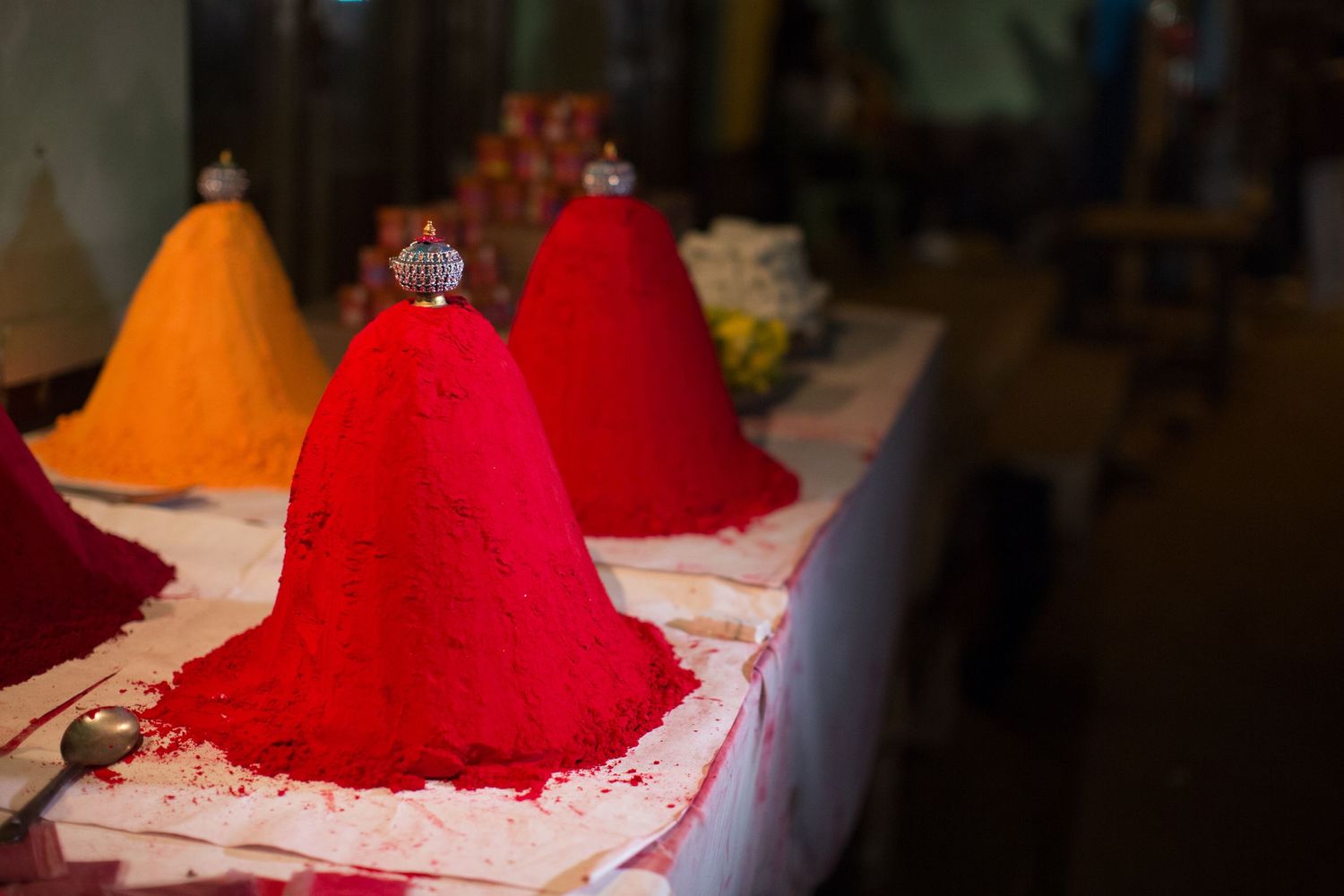
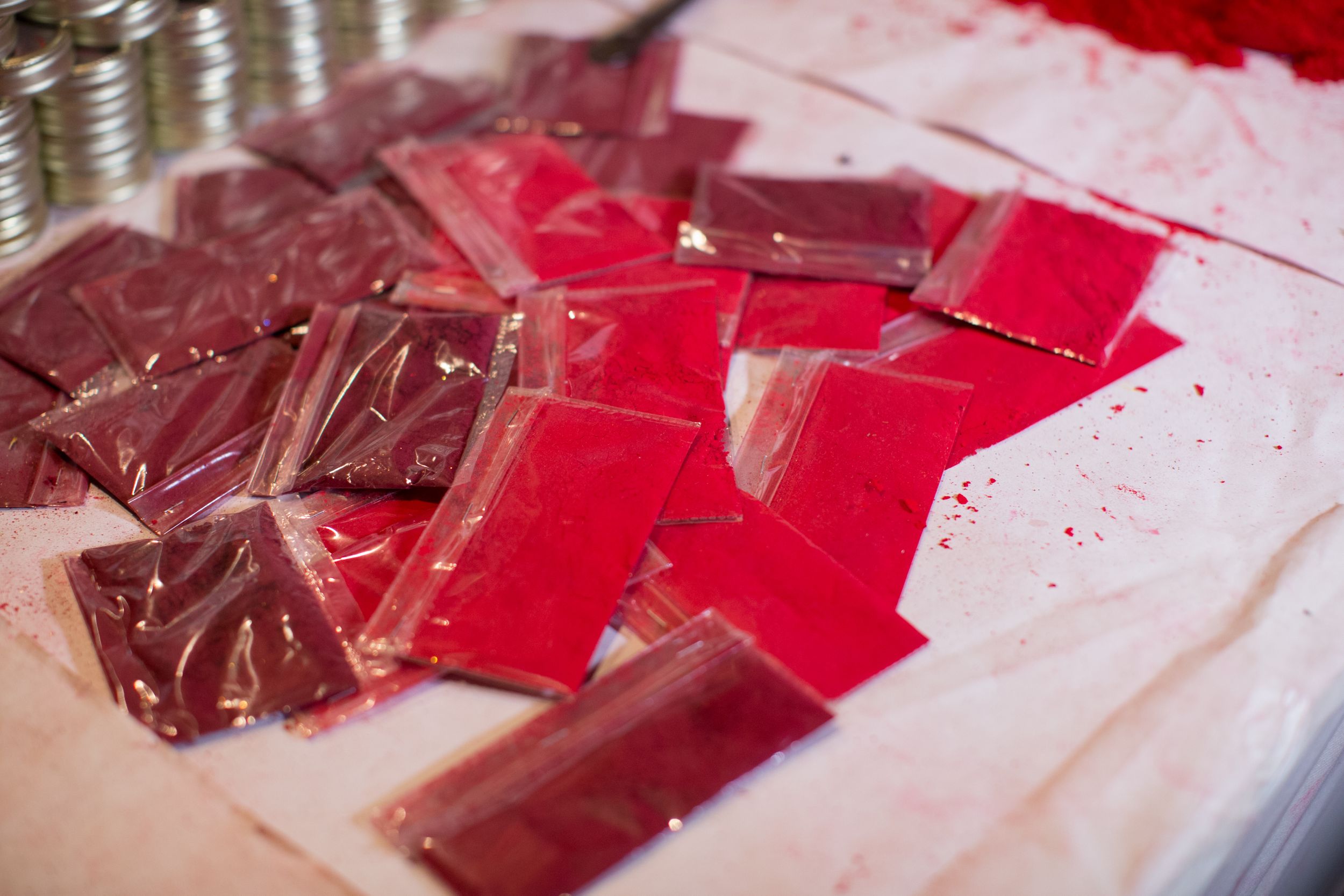
Being a part of the wedding industry, one of the key moments we photograph at a wedding is the placing of the 'Sindoor' by the husband on to his wife's parting. The sindoor is a traditional and symbolic red dye that is used as the pinnacle of the hindu wedding ceremony and is traditionally worn by married women in the parting of their hair.
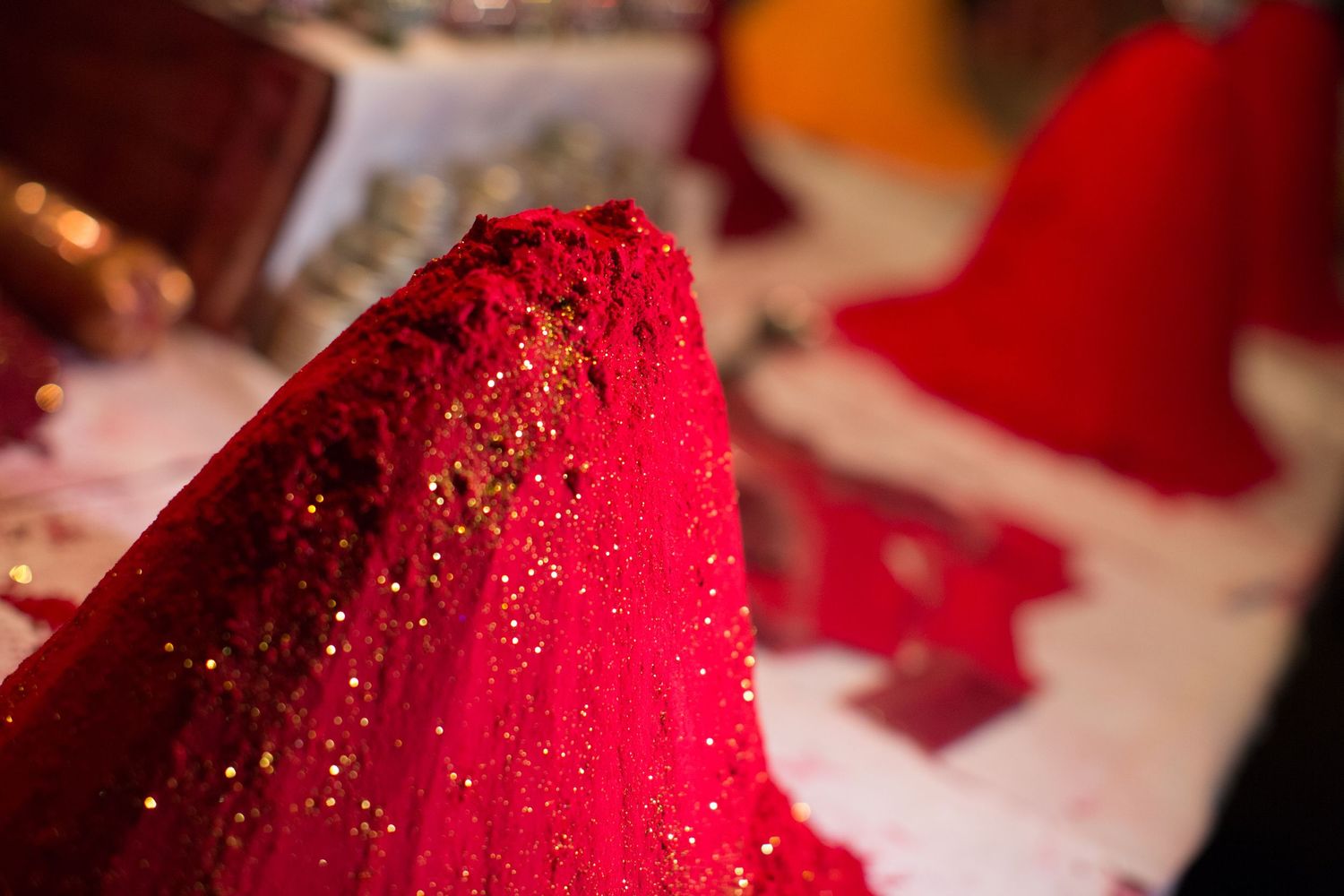
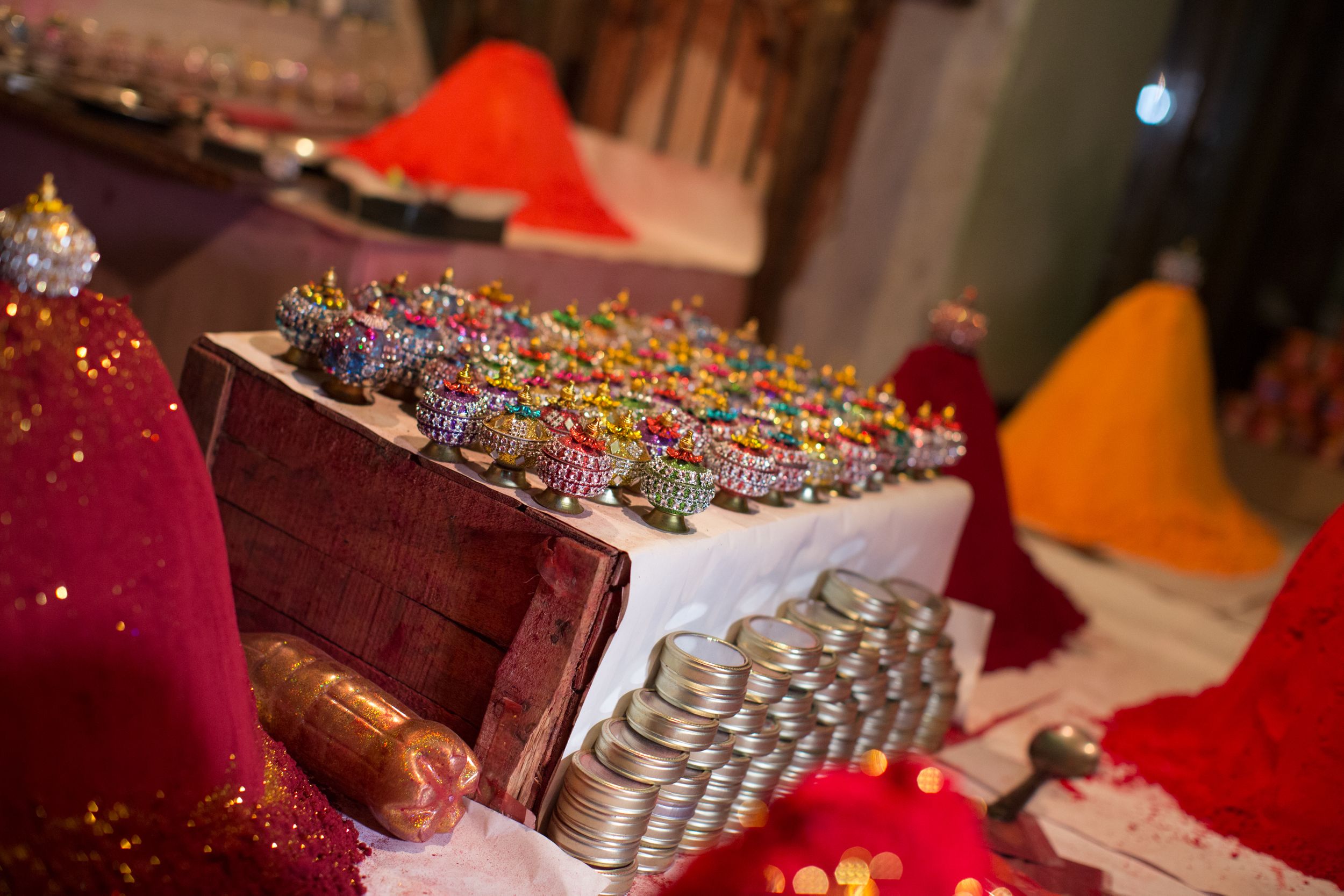
While we were browsing some of the stalls we came across a stall that was selling the Sindoor in its purest form. We have only ever seen it in a small traditional container when it is presented to the bride in the Mandap, which is how we have photographed it in the past. It was really refreshing to see mountains of it here in the homelands!
Indians Are Very 'SweeT'
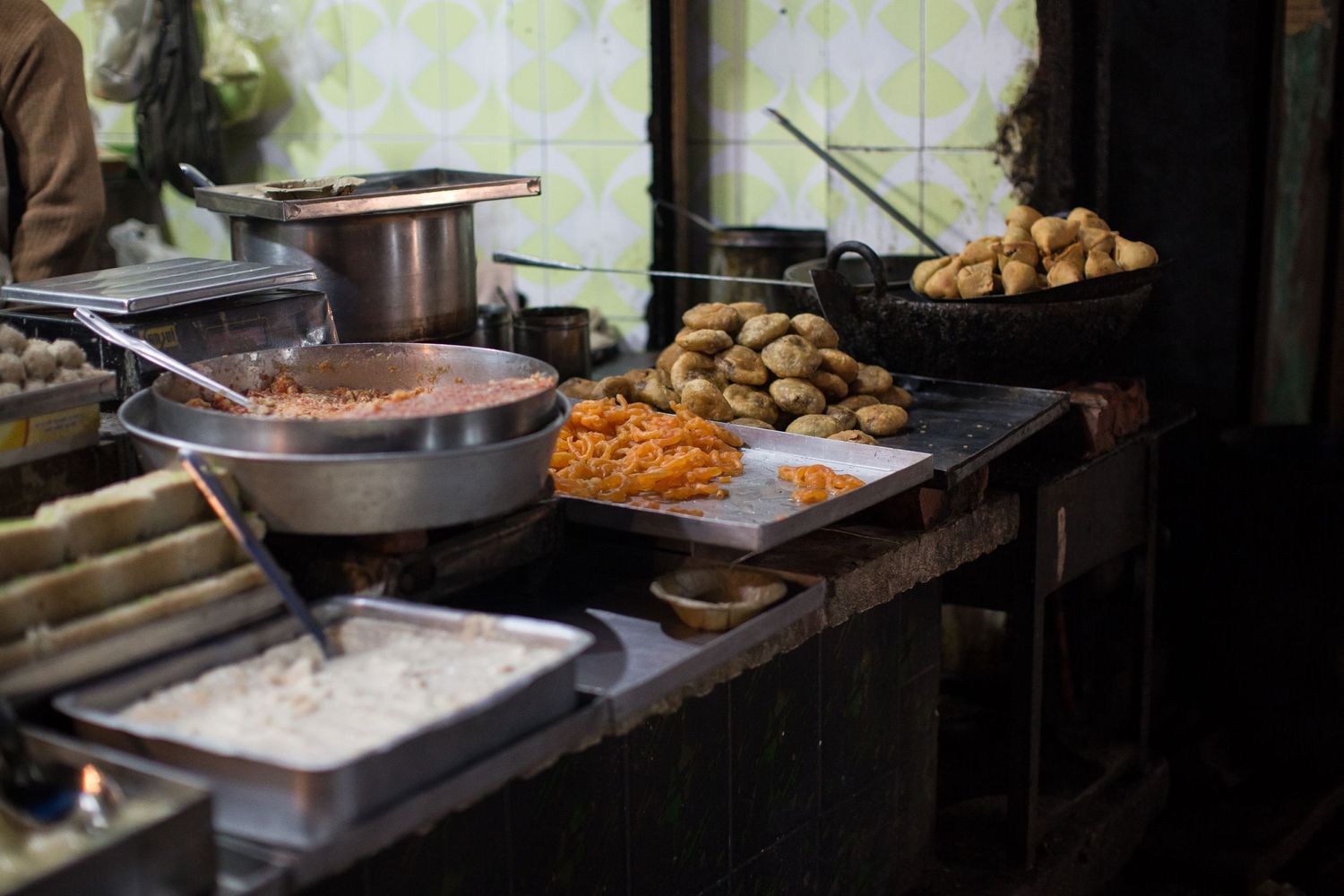
The common Indian food consumer may be familiar with terms like Ladoo, Gulab Jamun, Kulfi or Jalebi, but the average Indian sweet shop case requires pro-level knowledge (or a very serious sweet tooth). All mithai—( Hindi/Urdu word for sweets) are usually made up from a combination of sugar, nuts, flour, legumes and the main ingredient.. milk or 'khoya' which is a semi-solid dairy product made by slowly boiling milk until it thickens. The taste is then often enriched with rose water, cardamom, rose water or saffron. Most of the sweets are either dry or semi-hard, and soaked in either milk or sugar syrup. Its basically a really fast way to become a diabetic.
Here on the right you can see some of the fresh stalls making these tasty treats for us.
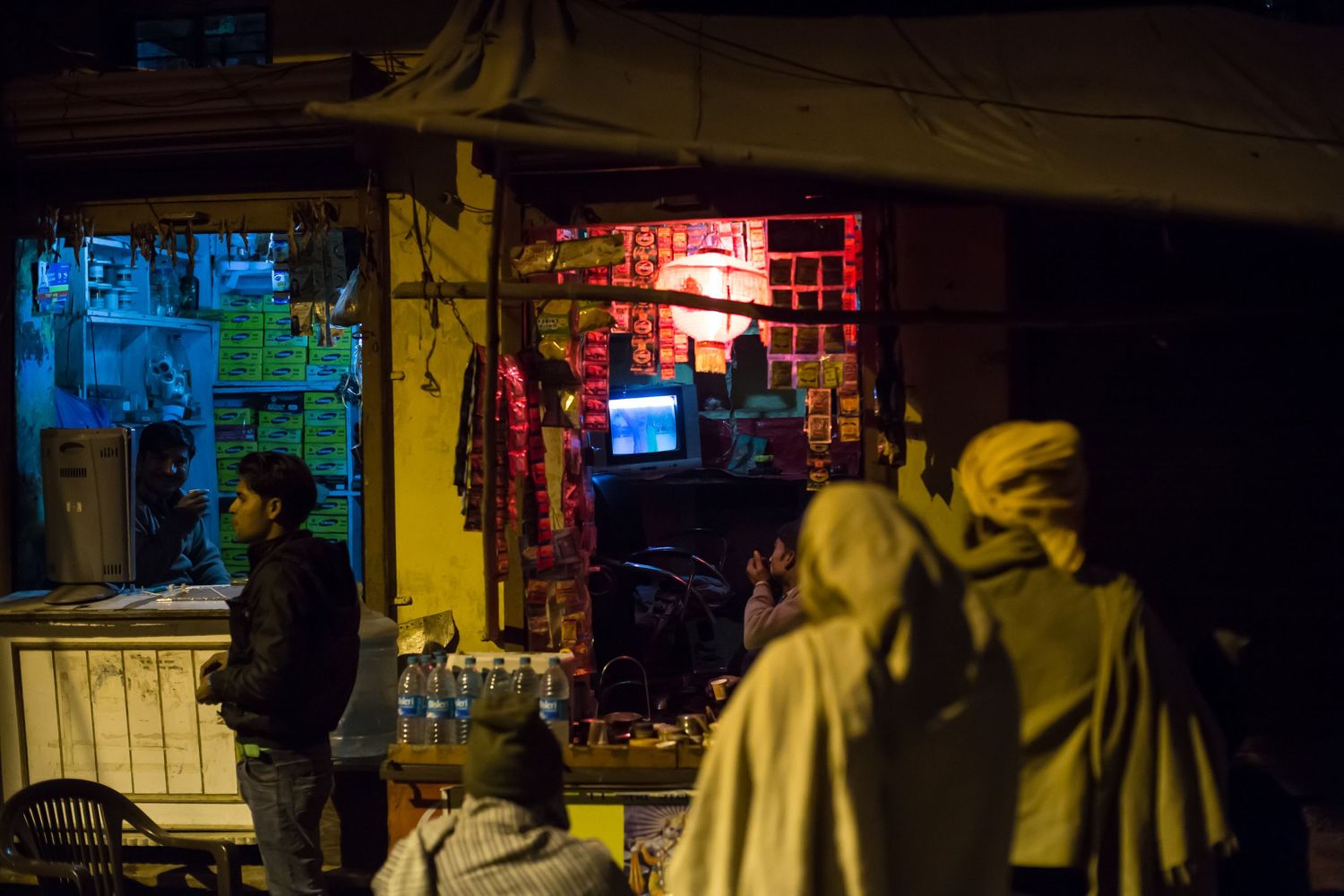
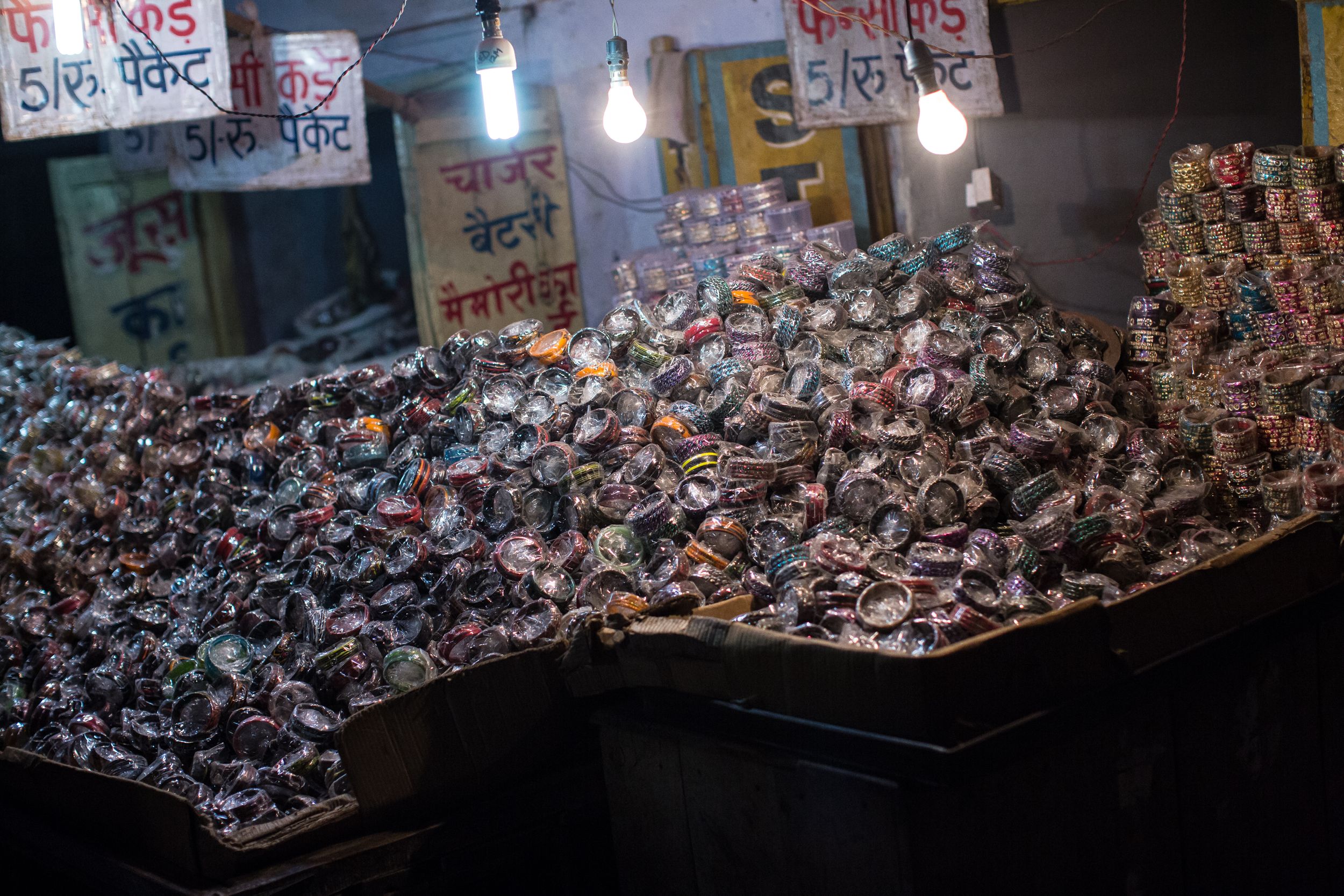
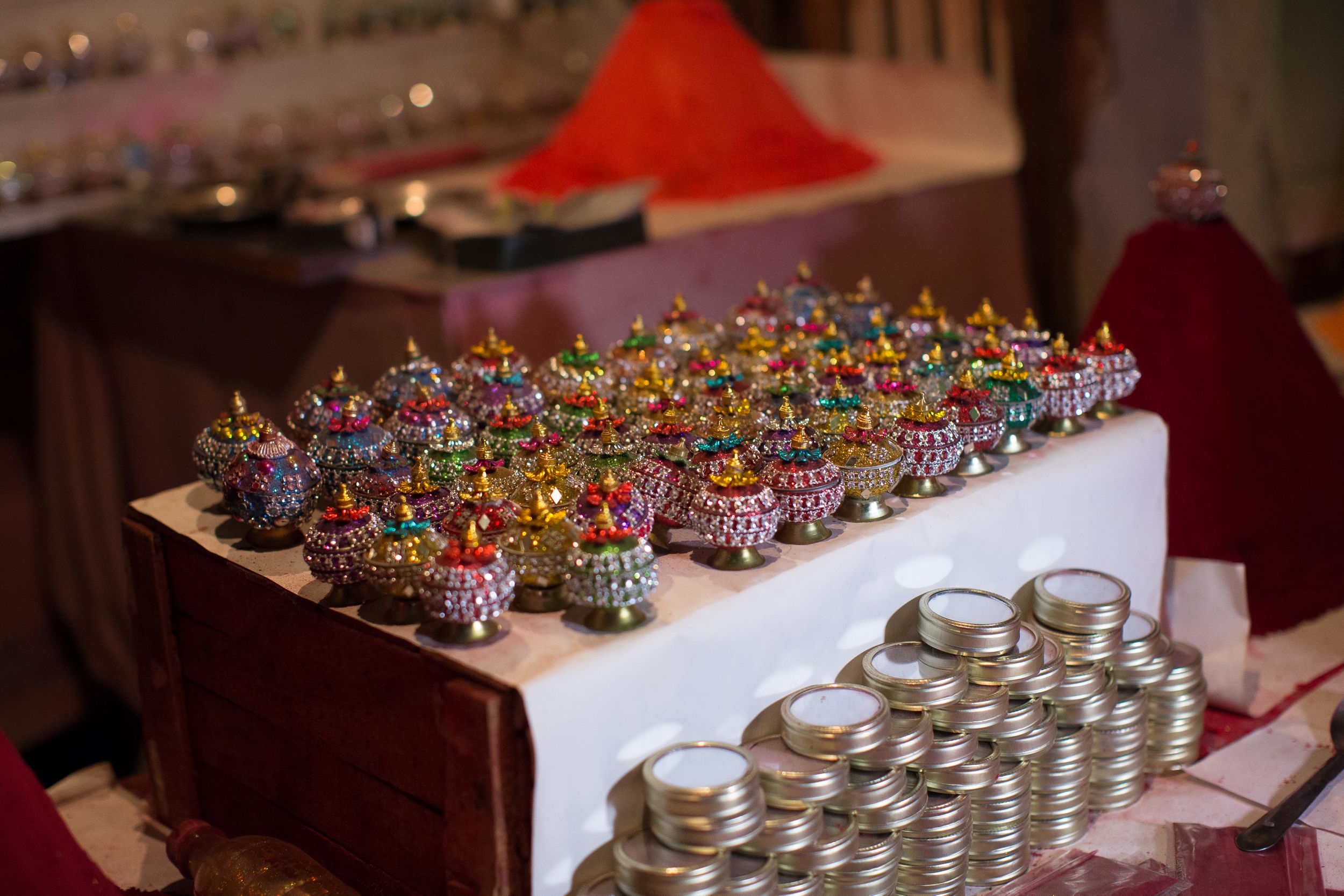
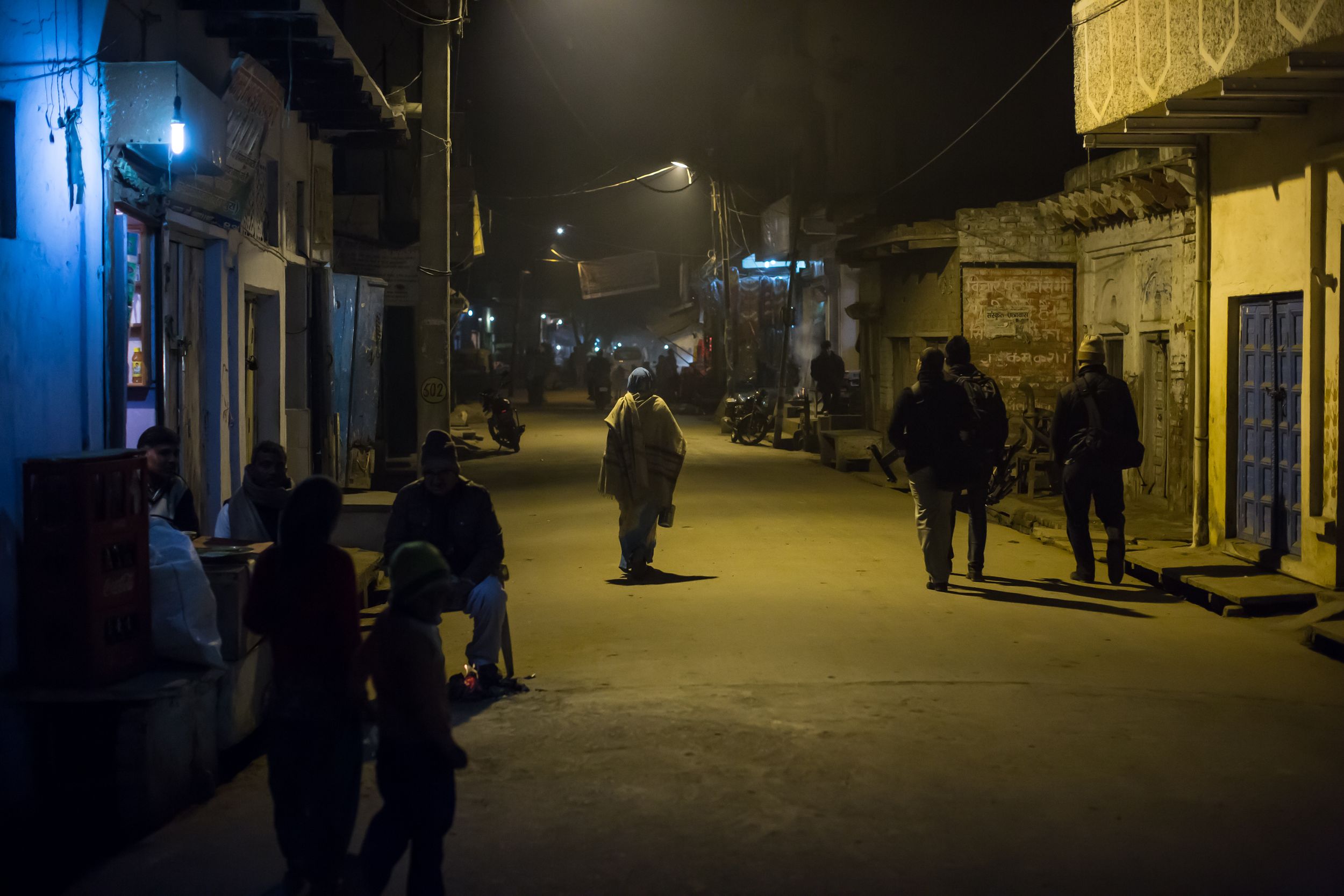
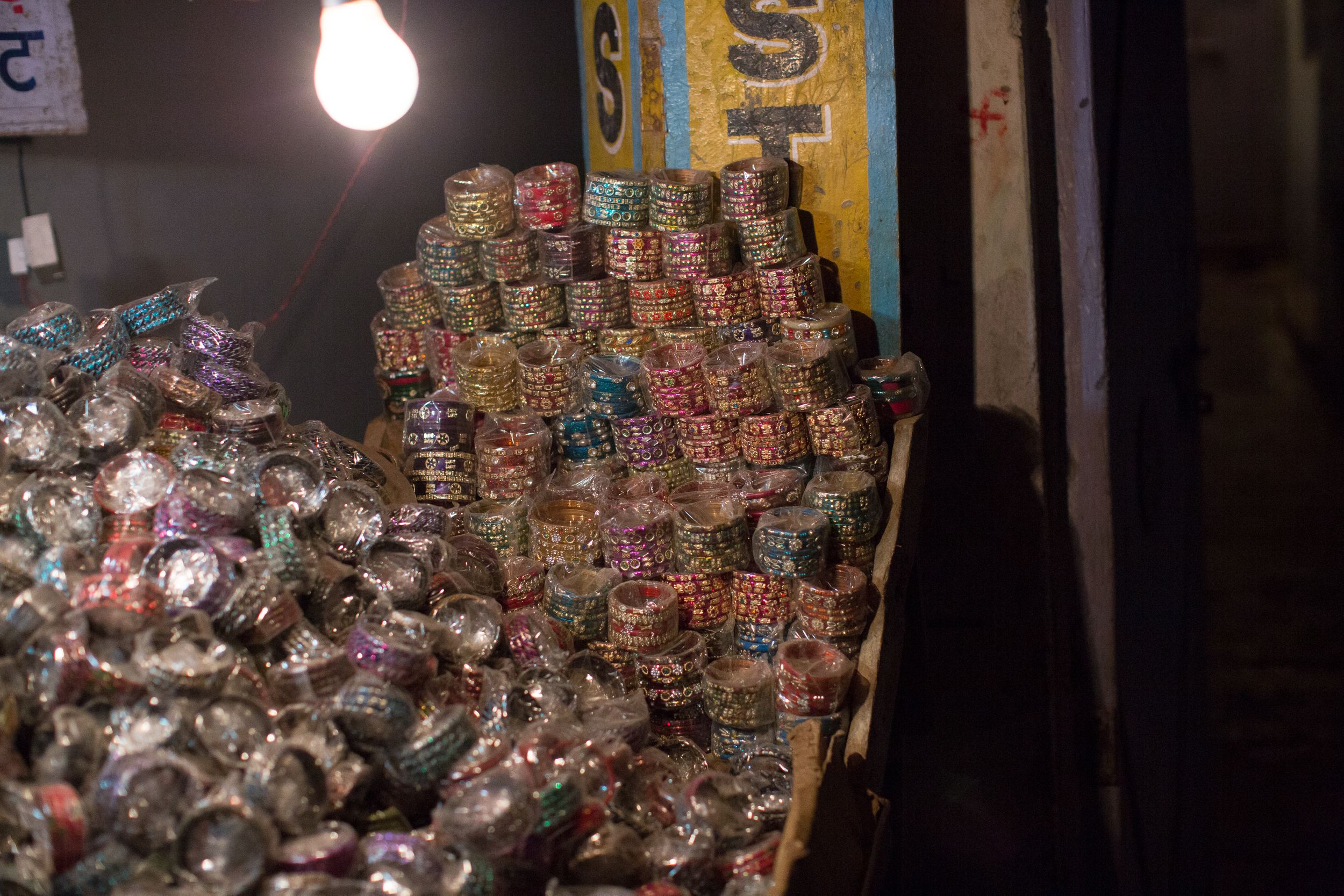
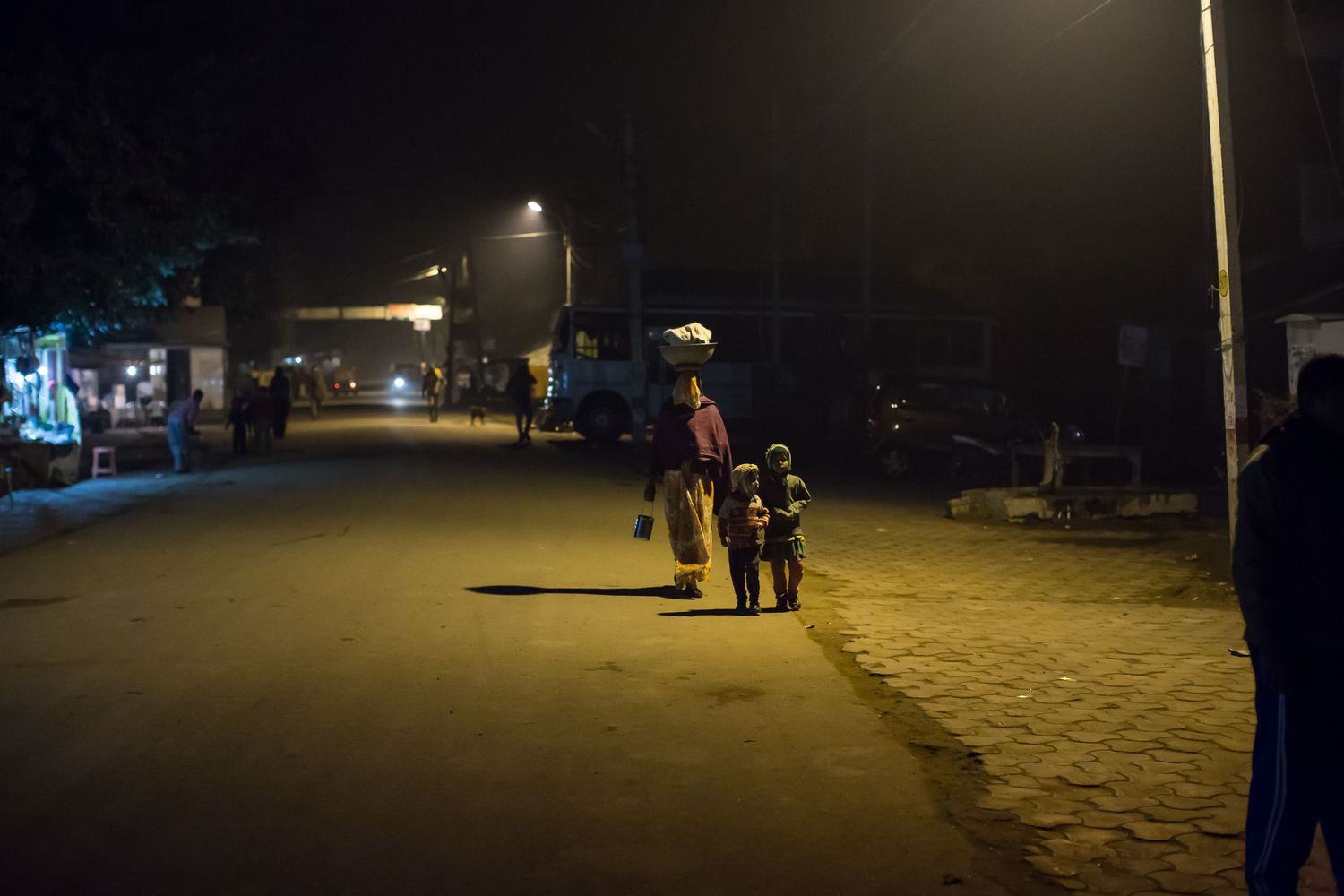
Below are a few photos from various stalls that were selling items linked to weddings, such as bangles, traditional containers, packaged sindoor and the street we were walking down.
No such thing as overflow
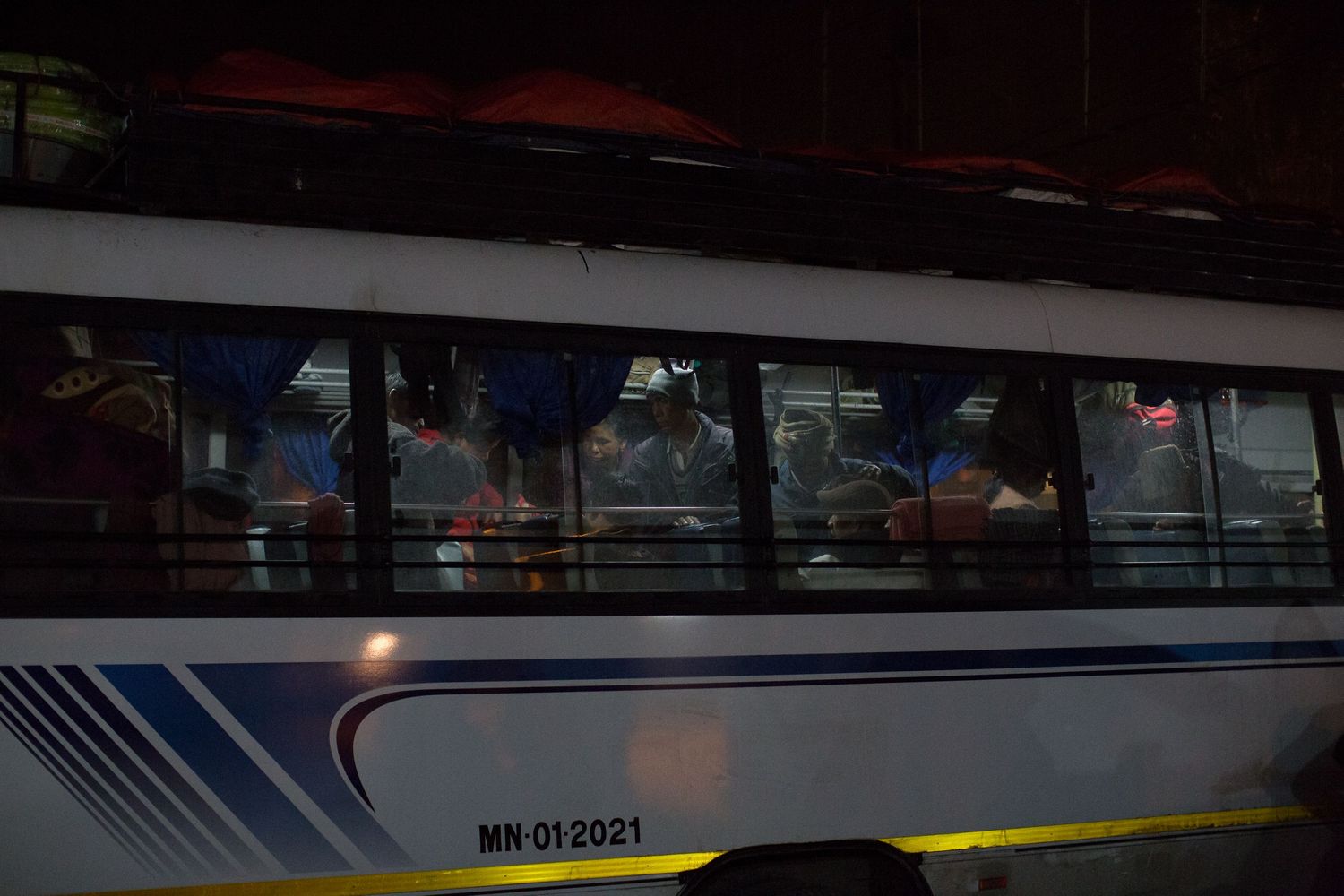
This photograph on the left shows how full buses can get and the amusement that nobody feels the need to say anything, not even the driver. The rule is if you can find 30cm of space to stand you can buy a ticket and get on. Even then if there is no space you can sit on the roof and grab hold of something, if you fall thats your problem!
Our time in India was short to say the least, but there was so much to see that we felt like we had been there for a week or so. Without question we will be returning with the kids one day to really explore the Golden Bird and see what other adventures lay ahead of us.
